
Rs1,000 worth of Fresh Currency Notes being sold for Rs1,600 ahead of Eid 2026
Introduction to the Fresh Currency Notes Market
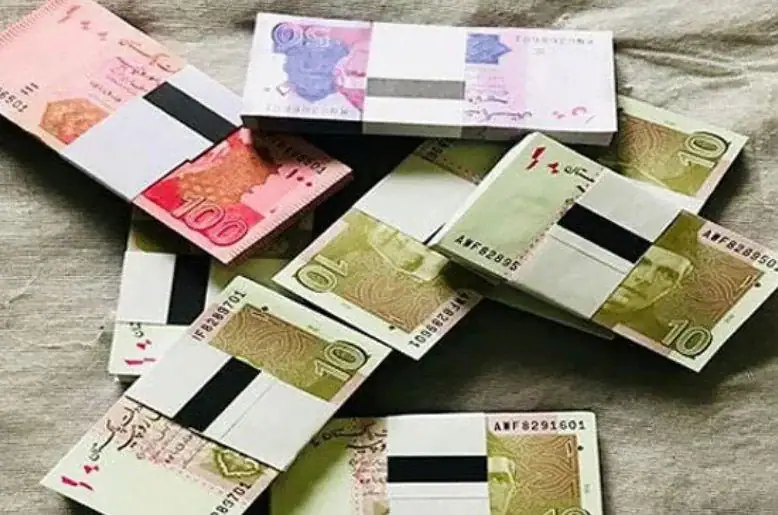
The market for fresh currency notes has witnessed a significant surge in demand ahead of Eid 2026, with Rs1,000 worth of fresh currency notes being sold for Rs1,600. This phenomenon has sparked interest among investors and market analysts, who are keen to understand the underlying factors driving this trend. As the Chief Investment Strategist at Menshly Estates, I will delve into the market analysis of this unusual trend, focusing on the return on investment (ROI), capitalization rates, and the impact of 2026 technology on the market.
Return on Investment (ROI) Analysis
The ROI on investing in fresh currency notes ahead of Eid 2026 appears to be substantial, with a 60% return on a Rs1,000 investment. This is an unusually high return, especially considering the low-risk nature of the investment. However, it is essential to note that this market is driven by seasonal demand, and the prices of fresh currency notes tend to normalize once the festive season is over. Investors looking to capitalize on this trend must be prepared to exit the market quickly to avoid losses. The ROI analysis suggests that investors who can time their entry and exit correctly can reap significant benefits, but it requires a deep understanding of market dynamics and the ability to respond quickly to changing market conditions.
Capitalization Rates and Market Value
The capitalization rate, or cap rate, is a critical metric in evaluating the value of an investment. In the context of the fresh currency notes market, the cap rate is influenced by the demand for fresh notes, the availability of supply, and the overall market sentiment. The current market price of Rs1,600 for Rs1,000 worth of fresh currency notes implies a cap rate of 60%, which is significantly higher than traditional investment avenues such as real estate or bonds. However, it is crucial to recognize that this cap rate is not sustainable in the long term and is driven by short-term market forces. As the market normalizes, the cap rate is expected to decline, and investors must be prepared to adjust their expectations accordingly.
2026 Technology Impact on the Market
The advent of digital payment systems and mobile wallets has transformed the way people conduct transactions, and the demand for physical currency has been declining steadily. However, the demand for fresh currency notes during festive seasons such as Eid has remained resilient. The 2026 technology is expected to have a dual impact on the market. On one hand, the increased adoption of digital payment systems is likely to reduce the overall demand for physical currency, which could lead to a decline in the prices of fresh currency notes. On the other hand, the use of technology to facilitate online transactions and mobile wallets is expected to increase the efficiency of the market, reducing transaction costs and enabling faster settlement of trades. The net impact of 2026 technology on the market will depend on the interplay between these two factors, and investors must be prepared to adapt to changing market conditions.
Market Drivers and Trends
The market for fresh currency notes is driven by a combination of factors, including seasonal demand, cultural and religious traditions, and economic conditions. The demand for fresh notes is typically high during festive seasons such as Eid, as people prefer to use new notes for gift-giving and other transactions. The cultural and religious significance of using fresh notes during these occasions is a key driver of demand, and investors must understand these nuances to navigate the market effectively. The economic conditions, including inflation, interest rates, and overall economic growth, also influence the market, as they impact the purchasing power of consumers and the overall demand for currency.
🏦 Portfolio Strategy Briefing
Watch the expert breakdown of this asset class below.
Risk Analysis and Mitigation Strategies
Investing in the fresh currency notes market carries several risks, including market volatility, liquidity risks, and the risk of counterfeit currency. The market is highly speculative, and prices can fluctuate rapidly, resulting in significant losses if investors are not able to exit the market quickly. The risk of counterfeit currency is also high, particularly in markets where the demand for fresh notes is high, and investors must be vigilant in verifying the authenticity of the notes. To mitigate these risks, investors must adopt a disciplined approach to investing, setting clear goals and risk tolerance levels. They must also stay informed about market trends and developments, using credible sources of information to make informed investment decisions.
Conclusion and Investment Strategies
In conclusion, the market for fresh currency notes ahead of Eid 2026 presents a unique investment opportunity, with a potentially high return on investment. However, investors must be aware of the risks associated with this market and adopt a disciplined approach to investing. The ROI analysis suggests that investors who can time their entry and exit correctly can reap significant benefits, but it requires a deep understanding of market dynamics and the ability to respond quickly to changing market conditions. The 2026 technology is expected to have a dual impact on the market, and investors must be prepared to adapt to changing market conditions. By understanding the market drivers and trends, adopting risk mitigation strategies, and staying informed about market developments, investors can navigate the fresh currency notes market effectively and achieve their investment goals.
Recommendations for Investors
Based on the market analysis, we recommend that investors approach the fresh currency notes market with caution, recognizing the potential for high returns but also being aware of the associated risks. Investors should set clear goals and risk tolerance levels, staying informed about market trends and developments through credible sources of information. They must also adopt a disciplined approach to investing, using a combination of technical and fundamental analysis to make informed investment decisions. The use of stop-loss orders and position sizing can help mitigate potential losses, and investors must be prepared to exit the market quickly if market conditions change. By adopting a disciplined and informed approach to investing, investors can navigate the fresh currency notes market effectively and achieve their investment goals.
Future Outlook and Market Projections
The future outlook for the fresh currency notes market is uncertain, with the potential for significant changes in market dynamics and trends. The 2026 technology is expected to continue to shape the market, with the increasing adoption of digital payment systems and mobile wallets likely to reduce the demand for physical currency. However, the demand for fresh currency notes during festive seasons such as Eid is expected to remain resilient, driven by cultural and religious traditions. Investors must stay informed about market developments and be prepared to adapt to changing market conditions, using a combination of technical and fundamental analysis to make informed investment decisions. By understanding the market drivers and trends, adopting risk mitigation strategies, and staying informed about market developments, investors can navigate the fresh currency notes market effectively and achieve their investment goals.
About Menshly Estates
A premier asset-focused publication. We analyze the shift from traditional real estate to AI-powered PropTech and high-density digital infrastructure.
Follow on X →


0 Comments