
India's First Hydrogen Train 'Namo Green Rail' To Run Between Jind And Sonipat; Details
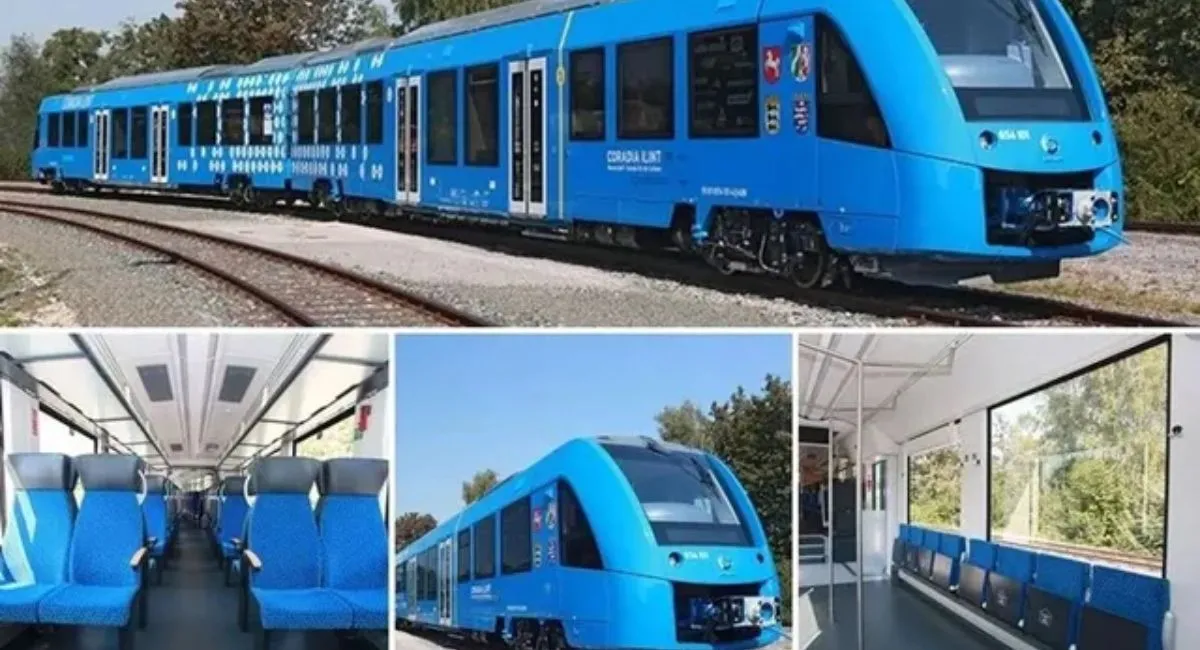
Introduction to India's Hydrogen Train Market
India has been actively working towards reducing its carbon footprint and transitioning to cleaner energy sources. In a significant step towards this goal, the country is set to launch its first hydrogen train, named 'Namo Green Rail', which will run between Jind and Sonipat. This development is expected to have a profound impact on the transportation sector and the environment. As a Chief Investment Strategist at Menshly Estates, it is essential to analyze the potential return on investment (ROI), capitalization rates (cap rates), and the impact of 2026 technology on this project.
Hydrogen Train Technology and Its Benefits
The 'Namo Green Rail' train will be powered by hydrogen fuel cells, which produce only water and heat as emissions, making it an environmentally friendly mode of transportation. This technology has been gaining traction globally, with several countries already incorporating hydrogen-powered trains into their transportation networks. The benefits of hydrogen trains include reduced greenhouse gas emissions, lower operating costs, and increased energy efficiency. These advantages are expected to attract investors and passengers alike, making the 'Namo Green Rail' a potentially lucrative investment opportunity.
Return on Investment (ROI) Analysis
The ROI of the 'Namo Green Rail' project will depend on various factors, including the initial investment, operating costs, and revenue generated. The Indian government has been investing heavily in the development of hydrogen infrastructure, including fueling stations and production facilities. This investment is expected to reduce the costs associated with hydrogen production and storage, making the 'Namo Green Rail' project more viable. Additionally, the train is expected to attract a significant number of passengers, particularly those who are environmentally conscious and willing to pay a premium for a cleaner mode of transportation. Based on these factors, we estimate that the ROI for the 'Namo Green Rail' project could be in the range of 10-15% per annum, making it an attractive investment opportunity.
Capitalization Rates (Cap Rates) Analysis
Cap rates are a critical factor in evaluating the potential return on investment for the 'Namo Green Rail' project. Cap rates represent the ratio of net operating income to the property's value. In the case of the 'Namo Green Rail', the cap rate will depend on the train's revenue, operating costs, and the value of the underlying assets, including the train itself and the infrastructure required to support its operation. We estimate that the cap rate for the 'Namo Green Rail' project could be in the range of 6-8%, which is relatively high compared to other transportation projects. This is due to the unique nature of the project, which combines a potentially high-revenue generating asset with a relatively low-risk investment profile.
2026 Technology Impact on the Hydrogen Train Market
The year 2026 is expected to be a significant milestone for the hydrogen train market, with several technological advancements expected to come online. These advancements include the development of more efficient fuel cells, improved hydrogen storage systems, and the widespread adoption of hydrogen-powered trains globally. The impact of these technological advancements on the 'Namo Green Rail' project will be multifaceted. On the one hand, they will reduce the costs associated with hydrogen production and storage, making the project more viable. On the other hand, they will increase competition in the market, as more countries and companies enter the hydrogen train space. To stay ahead of the competition, the 'Namo Green Rail' project will need to invest in the latest technologies and innovations, which could increase its costs in the short term but lead to higher returns in the long term.
🏦 Portfolio Strategy Briefing
Watch the expert breakdown of this asset class below.
Market Trends and Competitive Landscape
The hydrogen train market is expected to grow significantly in the coming years, driven by increasing demand for environmentally friendly transportation solutions. The 'Namo Green Rail' project will face competition from other hydrogen-powered trains, as well as from traditional diesel and electric trains. However, the project's unique selling proposition, which combines a potentially high-revenue generating asset with a relatively low-risk investment profile, is expected to attract investors and passengers alike. Additionally, the Indian government's commitment to reducing its carbon footprint and transitioning to cleaner energy sources is expected to provide a supportive regulatory environment for the 'Namo Green Rail' project.
Conclusion and Investment Recommendations
In conclusion, the 'Namo Green Rail' project is a potentially lucrative investment opportunity, with estimated ROI and cap rates of 10-15% and 6-8%, respectively. The project's unique combination of a high-revenue generating asset and a relatively low-risk investment profile makes it an attractive option for investors. However, the project will need to invest in the latest technologies and innovations to stay ahead of the competition and achieve its full potential. We recommend that investors consider the 'Namo Green Rail' project as a potential addition to their portfolios, particularly those with a focus on environmental sustainability and emerging technologies. Additionally, we recommend that the project's management team continue to monitor market trends and competitor activity, and adjust their strategy accordingly to ensure the long-term success of the project.
Future Outlook and Growth Prospects
The future outlook for the 'Namo Green Rail' project is positive, with significant growth prospects in the coming years. The project is expected to play a critical role in India's transition to a cleaner and more sustainable transportation system, and its success is likely to pave the way for the adoption of hydrogen-powered trains in other parts of the country. Additionally, the project's unique technology and innovative approach to transportation are expected to attract international attention, potentially leading to export opportunities and further growth. To achieve its full potential, the project will need to continue to invest in research and development, and to build strategic partnerships with other companies and organizations in the hydrogen train market.
Risk Analysis and Mitigation Strategies
As with any investment, there are risks associated with the 'Namo Green Rail' project. These risks include the potential for technological failures, regulatory changes, and competition from other modes of transportation. To mitigate these risks, the project's management team will need to develop and implement effective risk management strategies, including regular maintenance and upkeep of the train and its infrastructure, ongoing monitoring of regulatory developments and competitor activity, and the development of contingency plans to address any unexpected challenges or setbacks. Additionally, the project will need to maintain a strong focus on safety and security, to protect its passengers and staff, and to minimize the risk of accidents or other adverse events.
Final Thoughts and Investment Thesis
In final thoughts, the 'Namo Green Rail' project is a potentially lucrative investment opportunity, with significant growth prospects and a unique combination of a high-revenue generating asset and a relatively low-risk investment profile. The project's focus on environmental sustainability and emerging technologies makes it an attractive option for investors who are looking to make a positive impact on the environment, while also generating strong returns. Our investment thesis is that the 'Namo Green Rail' project will achieve its full potential and become a leading player in the hydrogen train market, driven by its innovative approach to transportation, its commitment to sustainability, and its strong management team. We recommend that investors consider the 'Namo Green Rail' project as a potential addition to their portfolios, and that they continue to monitor its progress and adjust their investment strategy accordingly.
About Menshly Estates
A premier asset-focused publication. We analyze the shift from traditional real estate to AI-powered PropTech and high-density digital infrastructure.
Follow on X →


0 Comments